
The CBAM Guide for non-EU Companies who Export to the EU
As of January 1, 2026, the EU’s Carbon Border Adjustment Mechanism (CBAM) enters its definitive phase, requiring EU importers to pay for the carbon emissions embedded in certain imported goods. Non-EU exporters must now provide accurate, product-level emissions data—estimated data is no longer sufficient. Measuring and reporting carbon emissions is now a requirement for maintaining access to EU markets.
How Canada Can Become a Global Sustainable Food Superpower

Canada’s Competition Bureau has updated the guidance after changing the Competition Act last year regarding environmental claims for businesses of all sizes – what do companies need to know, and how can they avoid penalties?
Bill C-59 Final Guidelines: What’s New in the Competition Act?
Canada’s Competition Bureau has updated the guidance after changing the Competition Act last year regarding environmental claims for businesses of all sizes – what do companies need to know, and how can they avoid penalties?
Demystifying CBAM: A Practical Overview of the EU Carbon Border Adjustment Mechanism
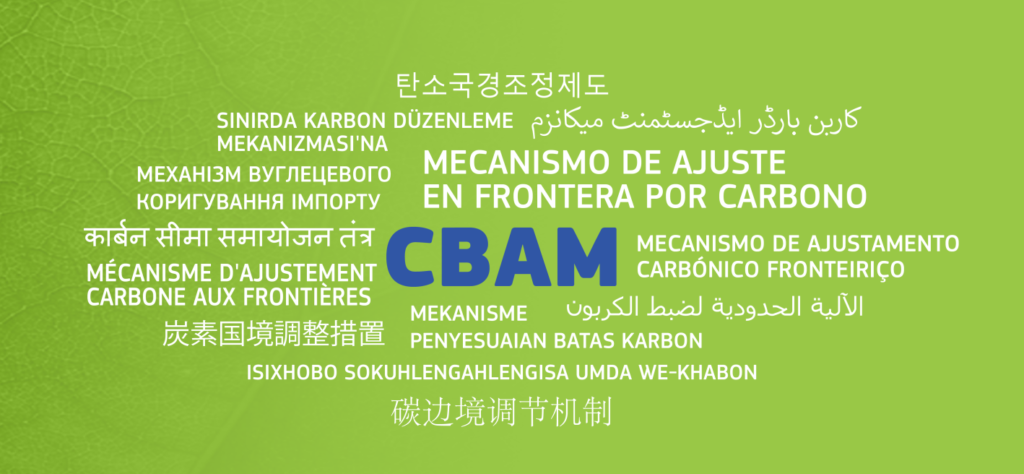
The EU’s Carbon Border Adjustment Mechanism requires importers of carbon-intensive goods (and their suppliers) to report on the embedded emissions of their products. Learn about the steps you need to take to comply!
What the amendments of Bill C-59 mean for Canadian companies

Amendments to Canada’s Bill C-59 received royal assent on June 20th, 2024. Find out what this means for companies currently making sustainability claims or planning to do so in the future.
How the SEC climate disclosure rules impact greenhouse gas emission reporting
The SEC has recently updated their Climate-Related Disclosure Rules and business may not know if they need to measure their greenhouse gas emissions. Credible greenhouse gas emissions accounting provide a solid, measurable foundation to assess a business’ ability to be successful and sustainable as they transition to a low-carbon future.
The importance of being earnest accurate

When it comes to carbon accounting, being accurate is critical. So, what are the risks of inaccurate data, and how do you avoid it? We break down the different methods of carbon accounting and why you might use one over the other.
How SB 253 impacts small and medium-sized businesses
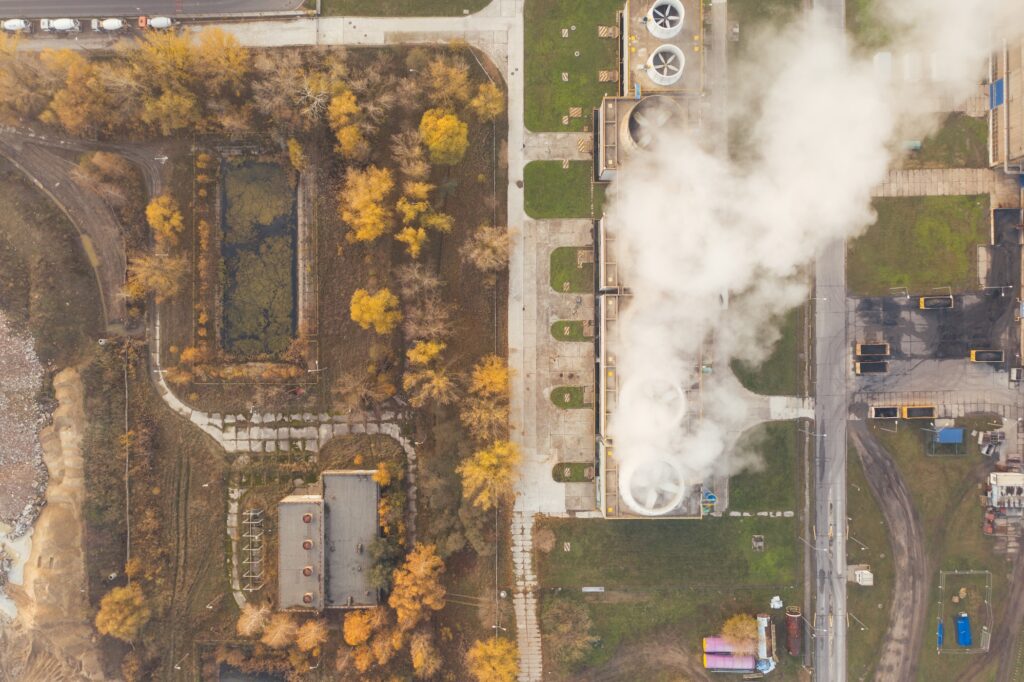
SB253 specifically mandates that companies report on their carbon emissions from every aspect of their business, including their indirect (Scope 3) emissions. That means that they need emissions data from all of their vendors and suppliers: i.e. the small and medium enterprises (SMEs) who service them.
What are the ISSB global sustainability disclosure standards and how do they impact my business?

With the new sustainability disclosure standards released by the ISSB (International Sustainability Standards Board), the financial sector now has a common language to compare public and private companies in terms of their sustainability metrics.
What are Scope 1, 2 & 3 emissions and why do they matter to my business?
Scope 3 greenhouse gas emissions often have the biggest impact on your overall climate impact – but are also the hardest to quantify and reduce. As more companies strive to hit net-zero targets, meet changing regulations and keep up with increasingly sustainably-focused customers, measuring Scope 3 emissions is now a priority – and a challenge.