

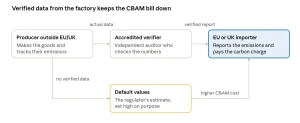
🌍 CBAM 2027: From Estimates to Proof – What Exporters Need to Know
From 2027, EU importers pay for the carbon in the goods they buy. Without verified data from suppliers, they pay inflated default values instead. Here’s what CBAM really costs, the deadlines that matter and how exporters can prove lower numbers.
Canada Eases Its Greenwashing Rules: Here’s What That Actually Means for Your Business
Canada’s Competition Bureau has updated the guidance after changing the Competition Act last year regarding environmental claims for businesses of all sizes – what do companies need to know, and how can they avoid penalties?

Can Sustainable Food Also Be Affordable?
Sustainability is a commercial decision. Here’s what Canada’s food leaders told us at Toronto Climate Week.

What the Competition Act Means for Companies Making Environmental Claims in Canada
Amendments to Canada’s Bill C-59 received royal assent on June 20th, 2024. Find out what this means for companies currently making sustainability claims or planning to do so in the future.
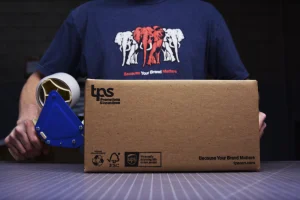
TPS Promotions & Incentives: Award Winning Promotional Product Company Builds Client Relationships by Leading with Sustainability
TPS had built a 20-year ESG foundation but needed to prove measurable carbon reductions to retain Fortune 500 clients who required credible, third-party-reviewed data. With Carbonhound automating their emissions tracking and reporting, TPS held its EcoVadis Silver rating even as the bar rose from the top 25% to the top 15% of companies rated globally.
The CBAM Guide for non-EU Companies who Export to the EU
As of January 1, 2026, the EU’s Carbon Border Adjustment Mechanism (CBAM) enters its definitive phase, requiring EU importers to pay for the carbon emissions embedded in certain imported goods. Non-EU exporters must now provide accurate, product-level emissions data—estimated data is no longer sufficient. Measuring and reporting carbon emissions is now a requirement for maintaining access to EU markets.